The Intermediate Kiter’s Progression Guide: 7 Skills to Master Before Your Next Big Jump
7 Skills to Master Before Your Next Big Jump
You’ve learned how to ride. You can control your kite, stay on your board, and enjoy longer sessions on the water.
But now comes the exciting part: taking your kitesurfing to the next level.
For many riders, the transition from beginner to intermediate is where the real journey begins. You no longer spend every session trying to stay on the board. Instead, you start focusing on technique, speed, control, fluid movements, and eventually, the tricks you’ve always wanted to land.
The challenge? Progress doesn’t happen just by spending more hours on the water. It comes from understanding your technique, identifying weaknesses, and practicing the right skills.
Whether you’re planning your next kite trip or looking to improve your riding in the Mexican Caribbean, here are seven essential skills that can transform your kitesurfing experience.
1. Master Riding Upwind
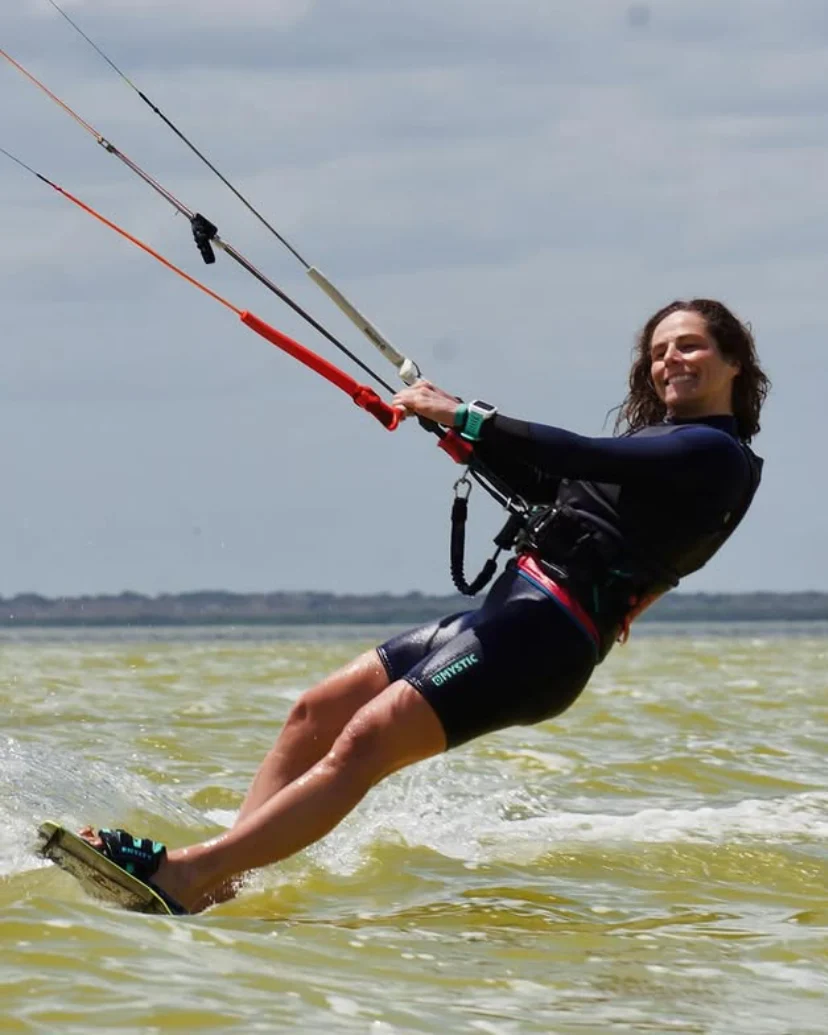
One of the most important milestones in kitesurfing is learning to ride confidently upwind.
Being able to maintain your position against the wind gives you more freedom and independence on the water. You spend less time walking back along the beach and more time actually riding.
To improve your upwind techniqu
Keep your body weight slightly back.
Maintain consistent pressure on your heelside edge.
Keep your kite positioned comfortably in the wind window.
Avoid pointing your board too far into the wind.
Maintain a steady speed instead of constantly slowing down.
Pro tip: Focus on finding the right balance between board edge, kite position, and body posture. Small adjustments can make a huge difference.
2. Learn Smooth Transitions
Transitions allow you to change direction without stopping or losing too much speed.
Instead of riding to one side, stopping, and restarting, a smooth transition creates a continuous flow across the water.
Start by practicing basic heelside transitions before moving toward more dynamic variations.
Work on:
Controlling your kite during the turn.
Shifting your weight smoothly.
Maintaining board speed.
Looking toward your new direction.
Coordinating your body and kite movement.
Once you master these movements, your riding becomes more fluid and efficient.
3. Develop Your Toeside Riding
Toeside riding is an essential skill for riders who want to improve their overall control and unlock more advanced maneuvers.
It allows you to ride with your toes pointing toward the direction of travel instead of relying exclusively on your heelside edge.
Why does it matter?
Because toeside riding helps you develop better balance, directional awareness, and board control.
It also opens the door to more advanced transitions, carving, and freestyle combinations.
Practice tip: Start with short toeside sections in flat water. Focus on maintaining balance and keeping your kite stable before trying longer rides.
4. Improve Your Board Control and Carving
Great kitesurfers don’t simply move across the water. They control how their boards interact with it.
Carving is the ability to make smooth, controlled turns by using your edges and adjusting your body position.
Developing this skill helps you:
- Control your speed.
- Change direction more naturally.
- Maintain balance through turns.
- Prepare for more advanced tricks.
Improve your overall riding style.
Flat-water conditions are particularly useful for practicing these movements because you can focus on technique without constantly adjusting to waves.
This is one reason why Isla Blanca is an interesting destination for riders looking to refine their fundamentals.
5. Build the Foundations for Your First Jumps
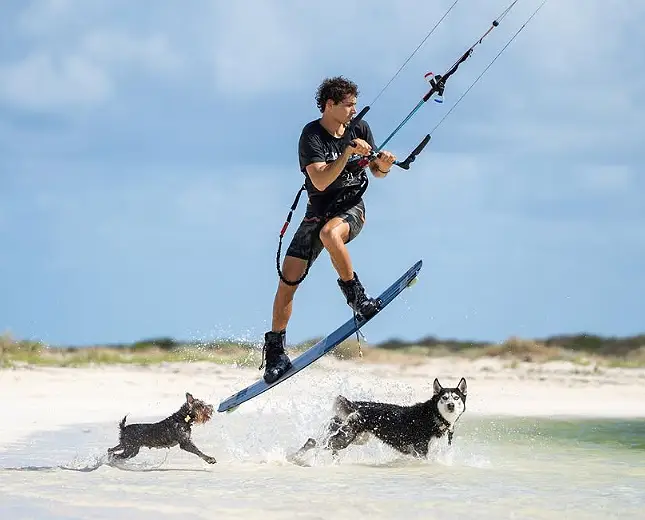
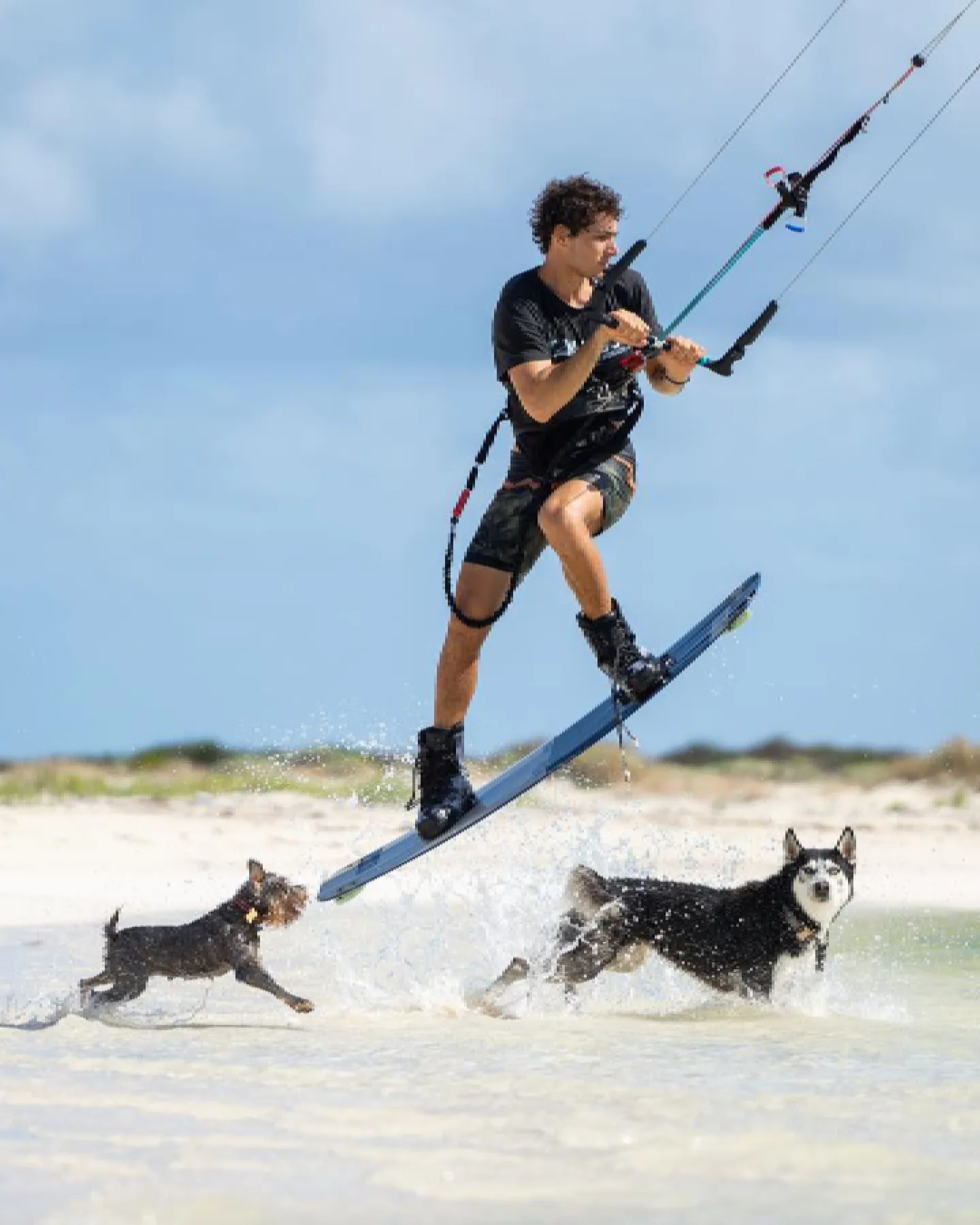
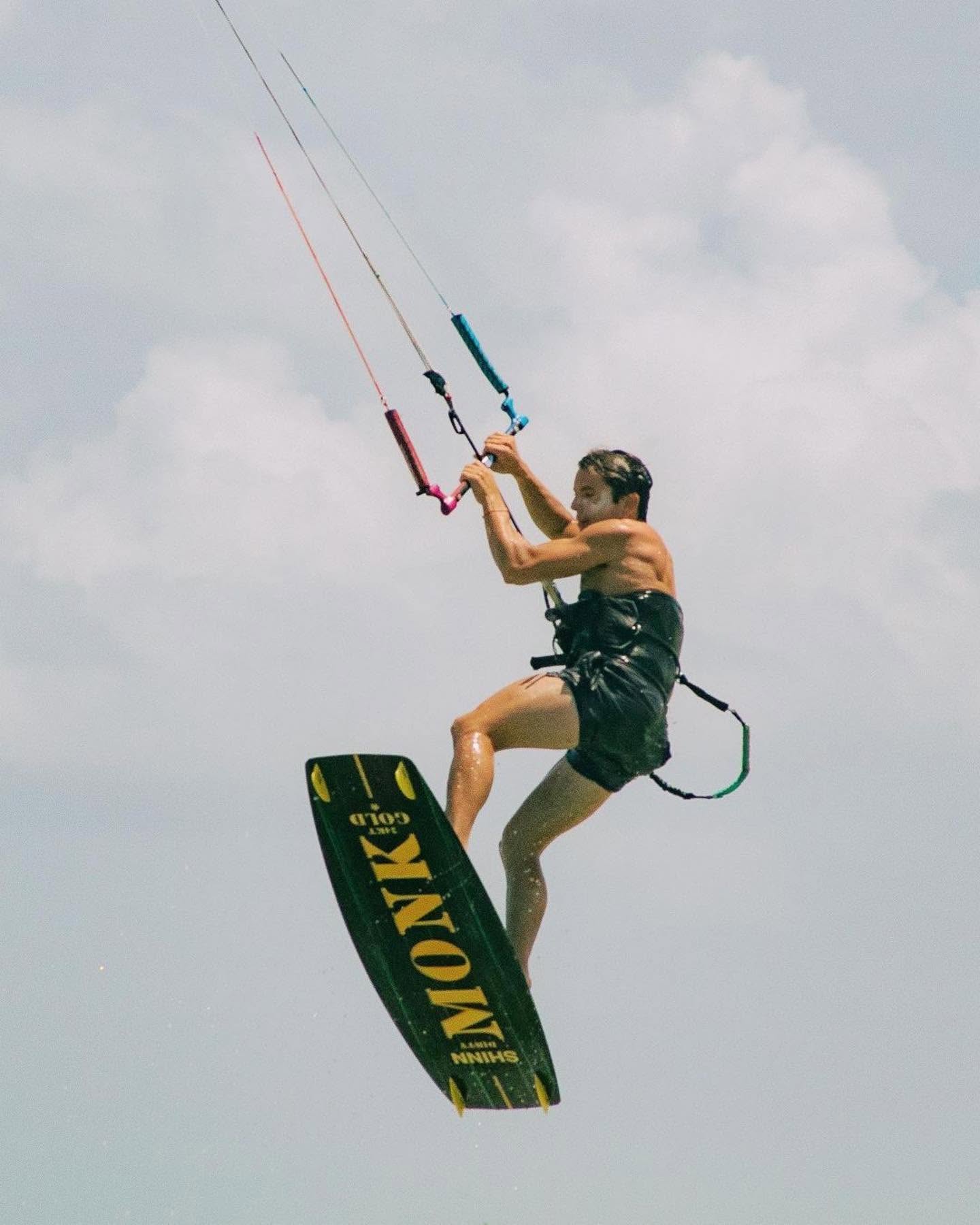
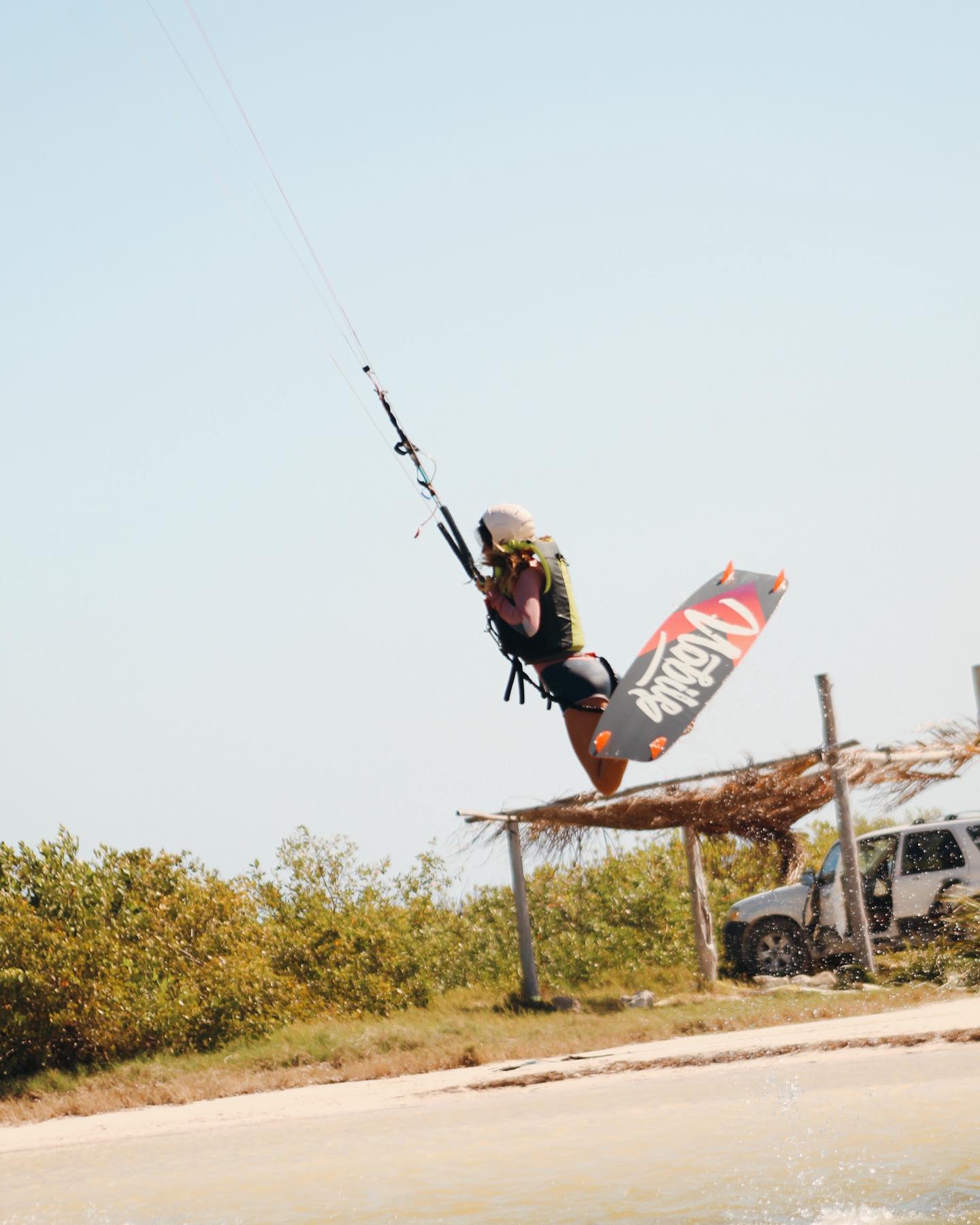
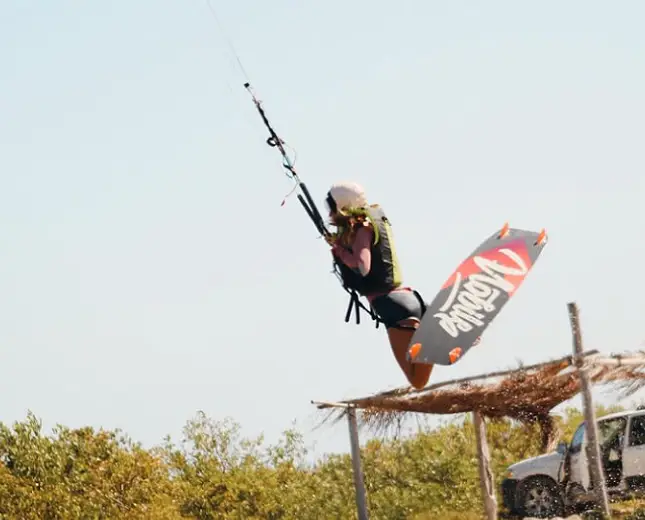
For many intermediate riders, jumping is one of the most exciting goals in kitesurfing.
There’s something unforgettable about leaving the water, feeling the kite lift you, and experiencing that moment of freedom above the surface.
But good jumps require more than pulling hard on the bar.
Before attempting bigger jumps, work on:
Understanding how to generate power through the kite.
Building a controlled edge against the water.
Timing your kite movement.
Maintaining a stable body position.
Keeping your eyes on your landing area.
Start with small, controlled jumps in suitable conditions and work with an experienced instructor when developing new techniques.
The objective isn’t simply to jump higher. It’s to develop control from takeoff to landing.
6. Understand Wind Conditions and Kite Selection
As your riding improves, understanding the wind becomes increasingly important.
Intermediate and advanced riders need to recognize how wind strength, gusts, direction, and water conditions affect their performance.
Choosing the right kite size for your weight, equipment, and actual wind conditions is essential.
Pay attention to:
Wind consistency.
Gusts and sudden changes in intensity.
Wind direction relative to the shoreline.
Your kite’s recommended wind range.
Local conditions and potential hazards.
Never assume that a kite size that worked yesterday will be appropriate today.
Good riders don’t simply chase stronger wind. They understand when conditions are suitable for their experience and equipment.
7. Develop Better Safety Awareness
Progression should always go hand in hand with safety.
As you become more confident, it’s easy to underestimate situations that previously required your full attention.
However, experienced riders understand that good judgment is just as important as technical ability.
Make sure you can confidently:
Use your quick-release systems.
Perform a self-rescue.
Identify changing wind conditions.
Recognize offshore and gusty wind situations.
Understand right-of-way rules.
Maintain enough distance from other riders and obstacles.
Knowing when not to go out is also an important part of becoming a better kiter.
Why Flat Water Makes a Difference When Improving Your Skills
Your environment plays a major role in your progression.
When you’re learning new techniques, rough water and unpredictable conditions can make it harder to focus on the movements you’re trying to develop.
Flat-water locations offer a different experience.
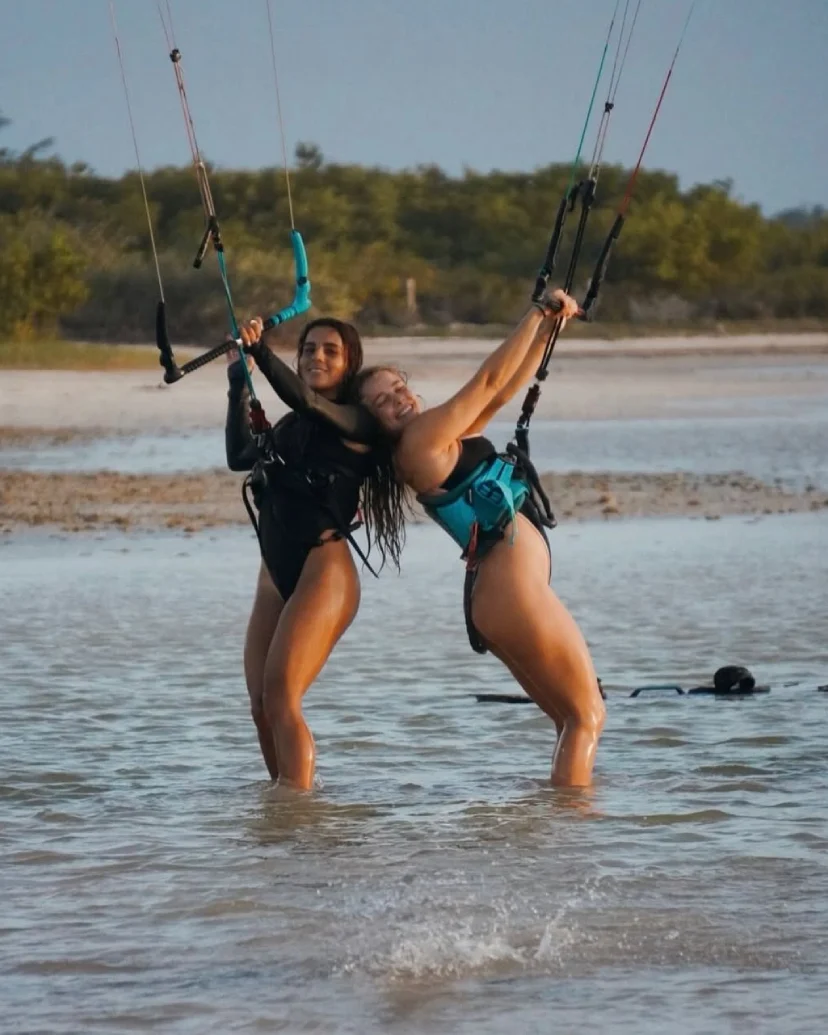
They allow riders to concentrate on board control, edging, transitions, carving, and controlled riding without constantly dealing with waves.
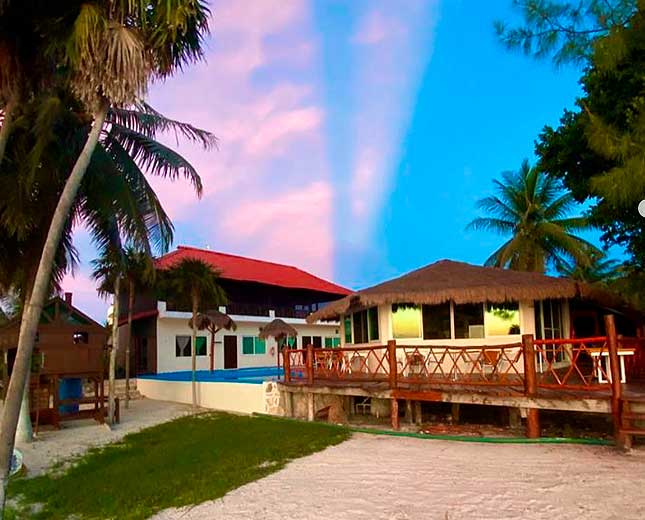
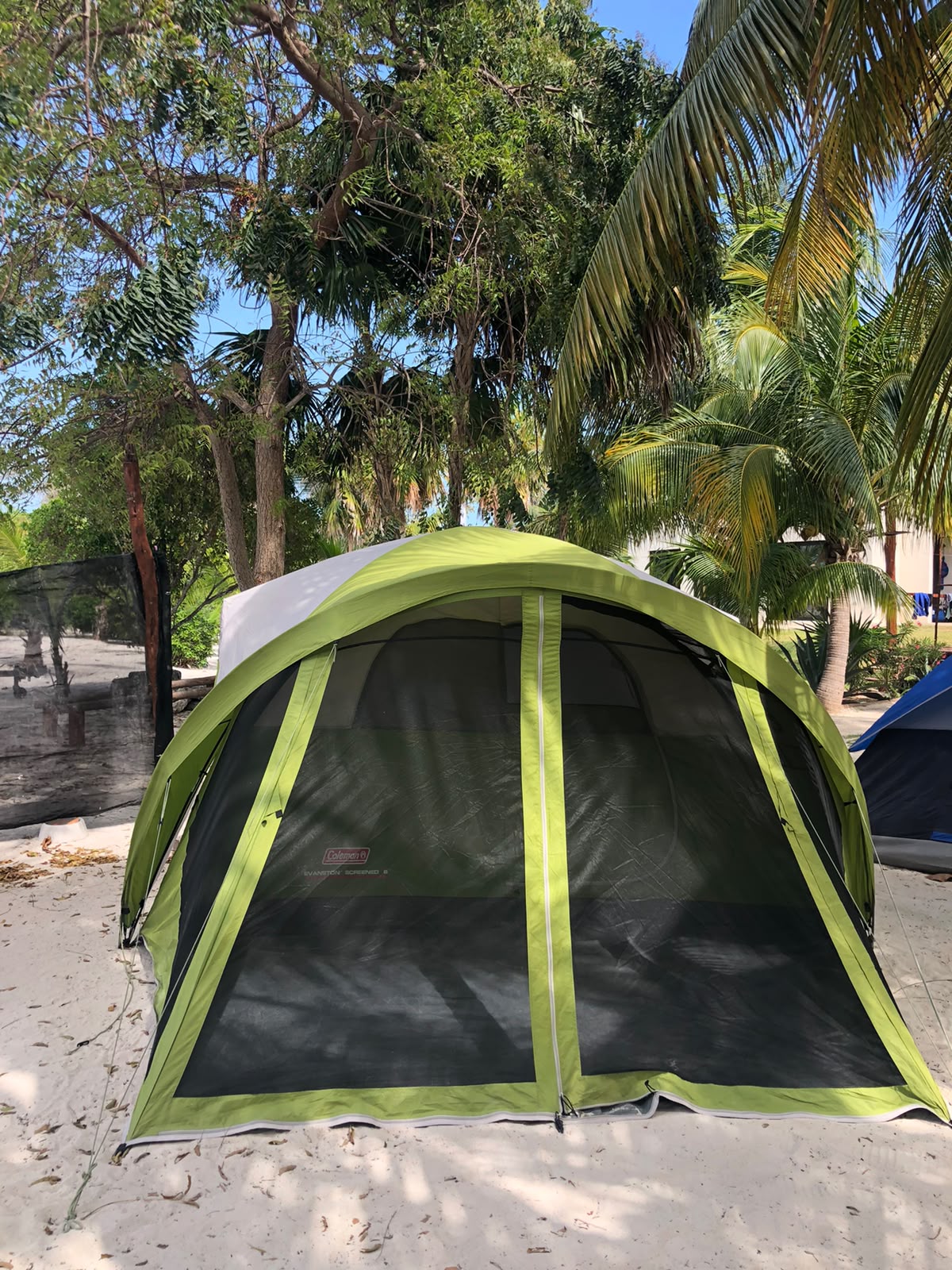
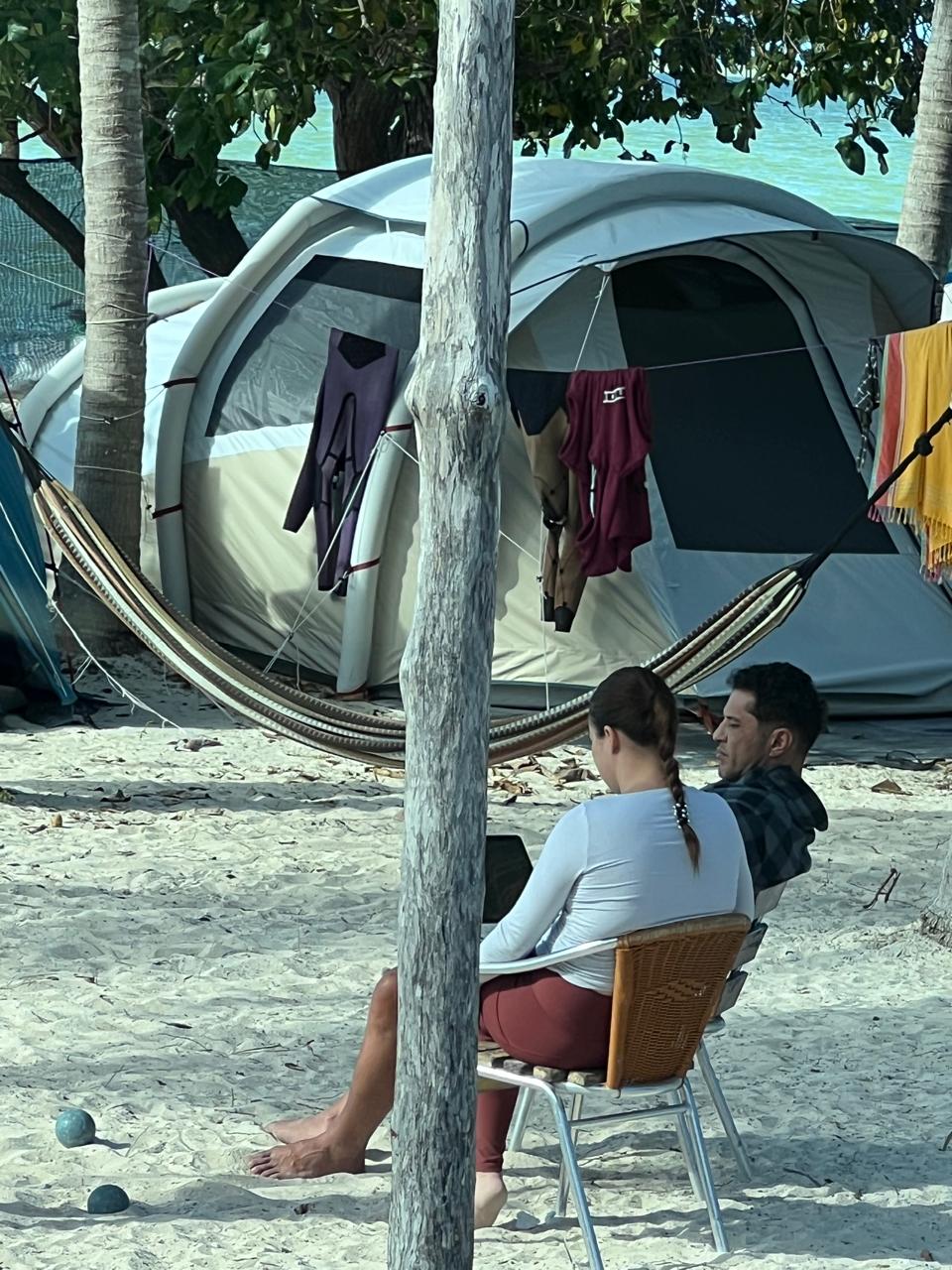
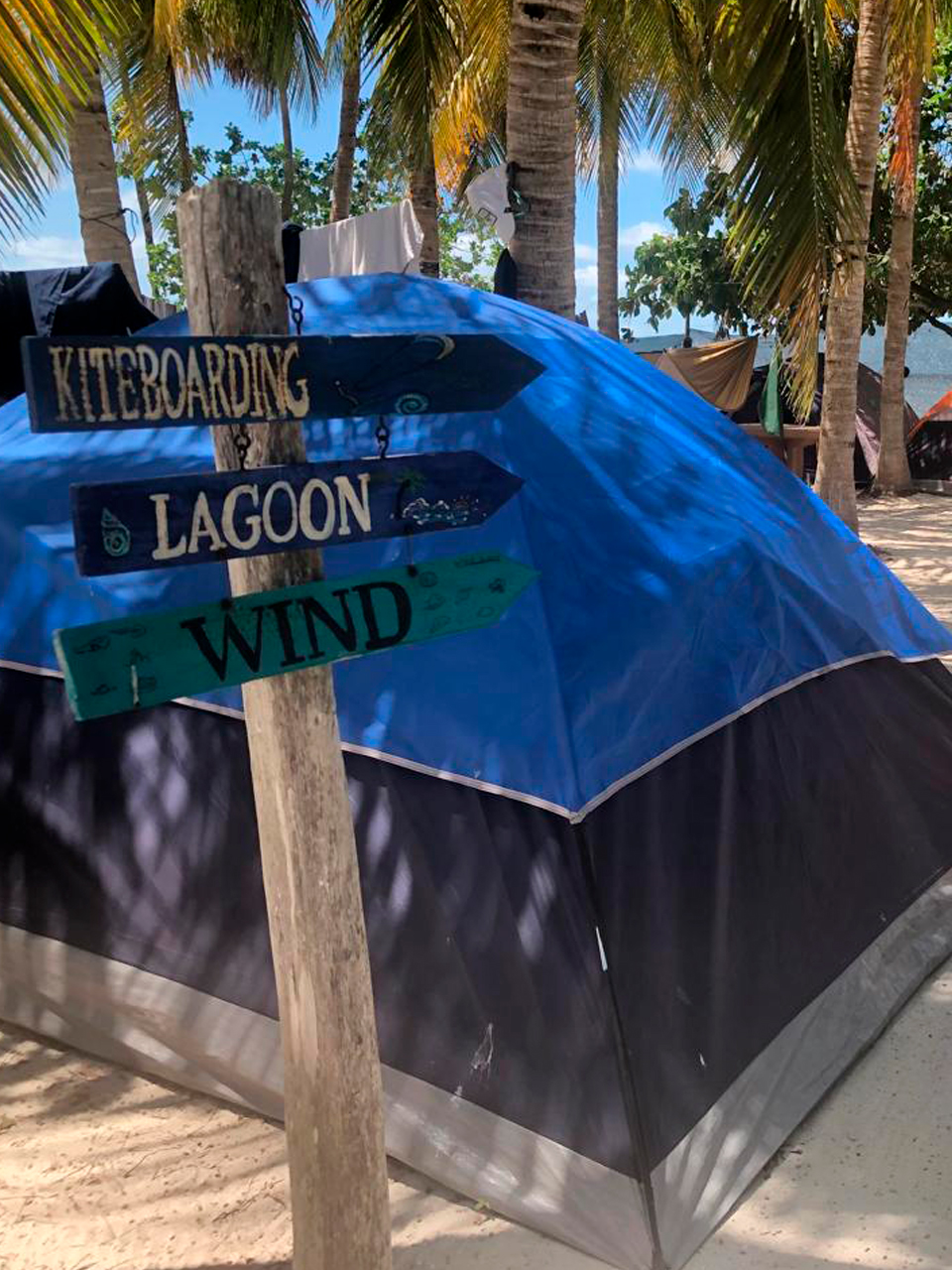
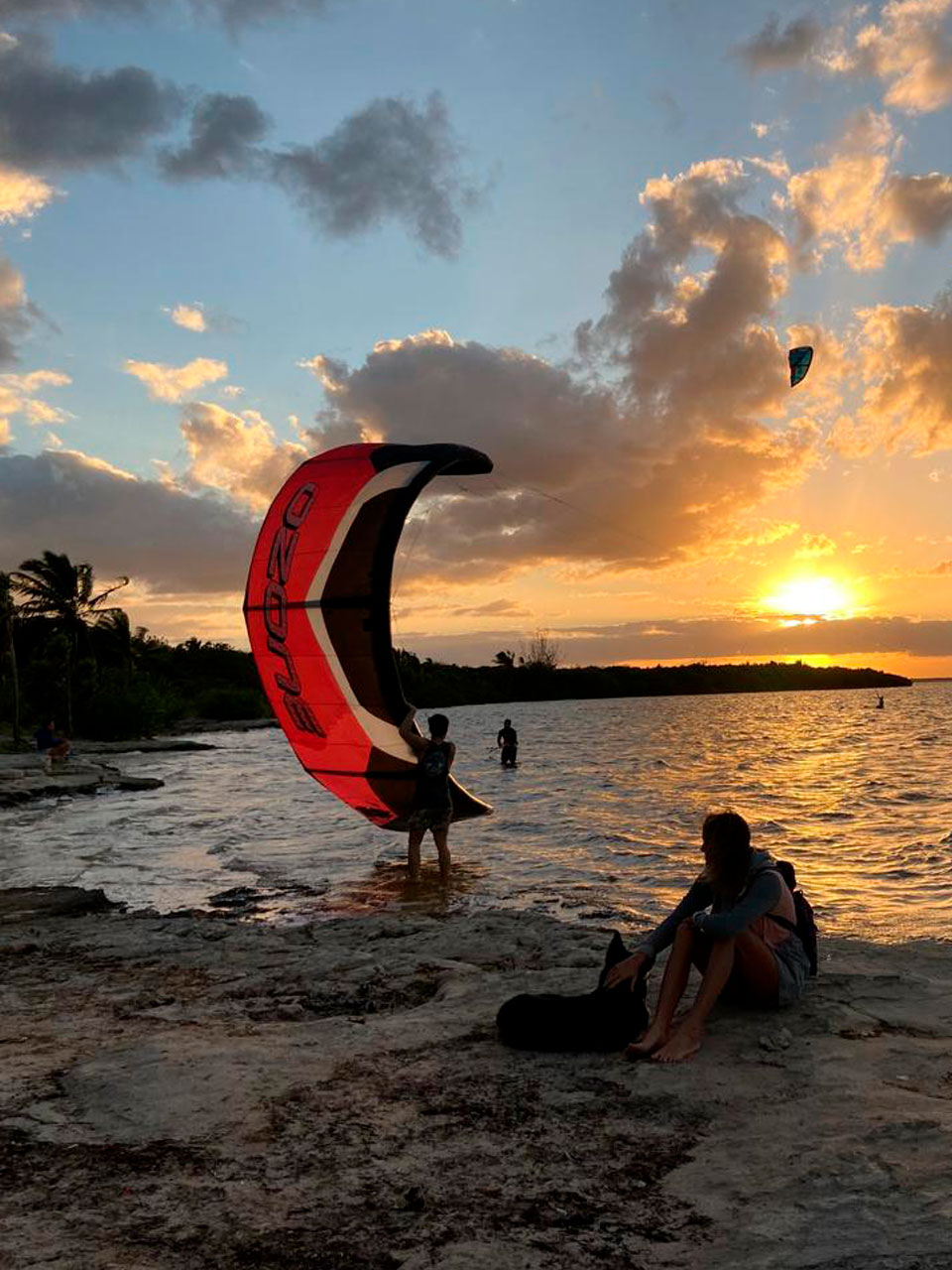
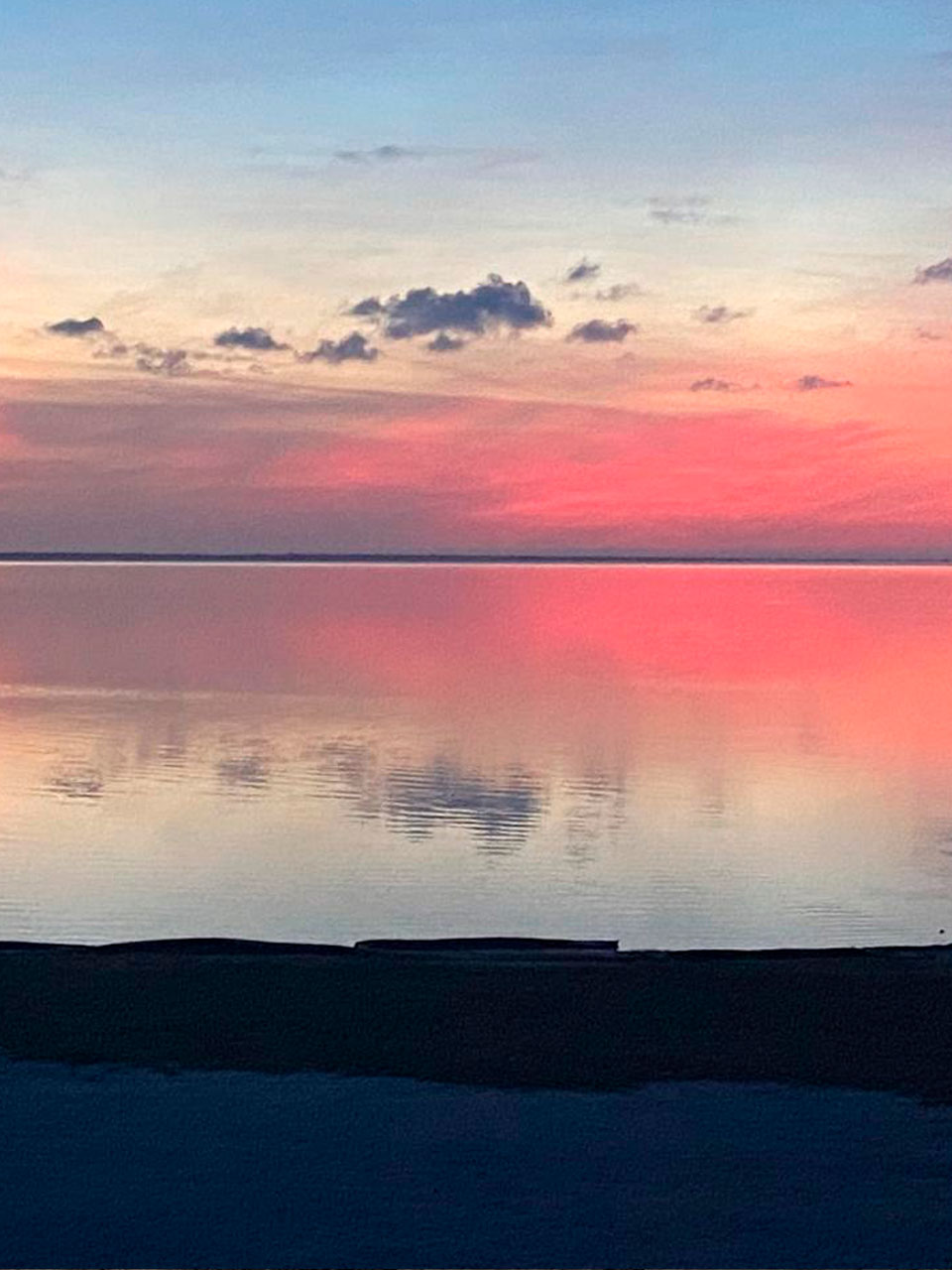
Located just north of Cancún, Isla Blanca offers a unique combination of shallow lagoon waters, open riding areas, and a beautiful natural environment.
At Kiteboard México, riders can enjoy a setting designed for learning and progression, with professional instruction, equipment options, and rescue support during lessons.
Whether you’re refining your fundamentals or working toward your next milestone, having the right environment and guidance can make your sessions more productive.
How to Know You're Ready for the Next Level
Every rider progresses differently. There is no universal number of sessions that guarantees mastery of a particular trick.
However, you can use the following checklist to evaluate your current abilities:
I can consistently ride in both directions.
I can maintain my position upwind.
I can perform controlled transitions.
I can ride toeside with reasonable stability.
I can control my speed and board edge.
I understand how to assess wind conditions.
I know how to use my safety systems and perform a self-rescue.
If you can confidently check most of these boxes, you’re building a strong foundation for more advanced riding.
Take Your Kitesurfing to the Next Level in Isla Blanca
Kitesurfing is a sport where there’s always something new to learn.
Your first successful ride is unforgettable, but so is your first smooth transition, your first controlled jump, and the moment you realize how much your technique has improved.
The secret is to stay curious, practice consistently, and never stop learning.
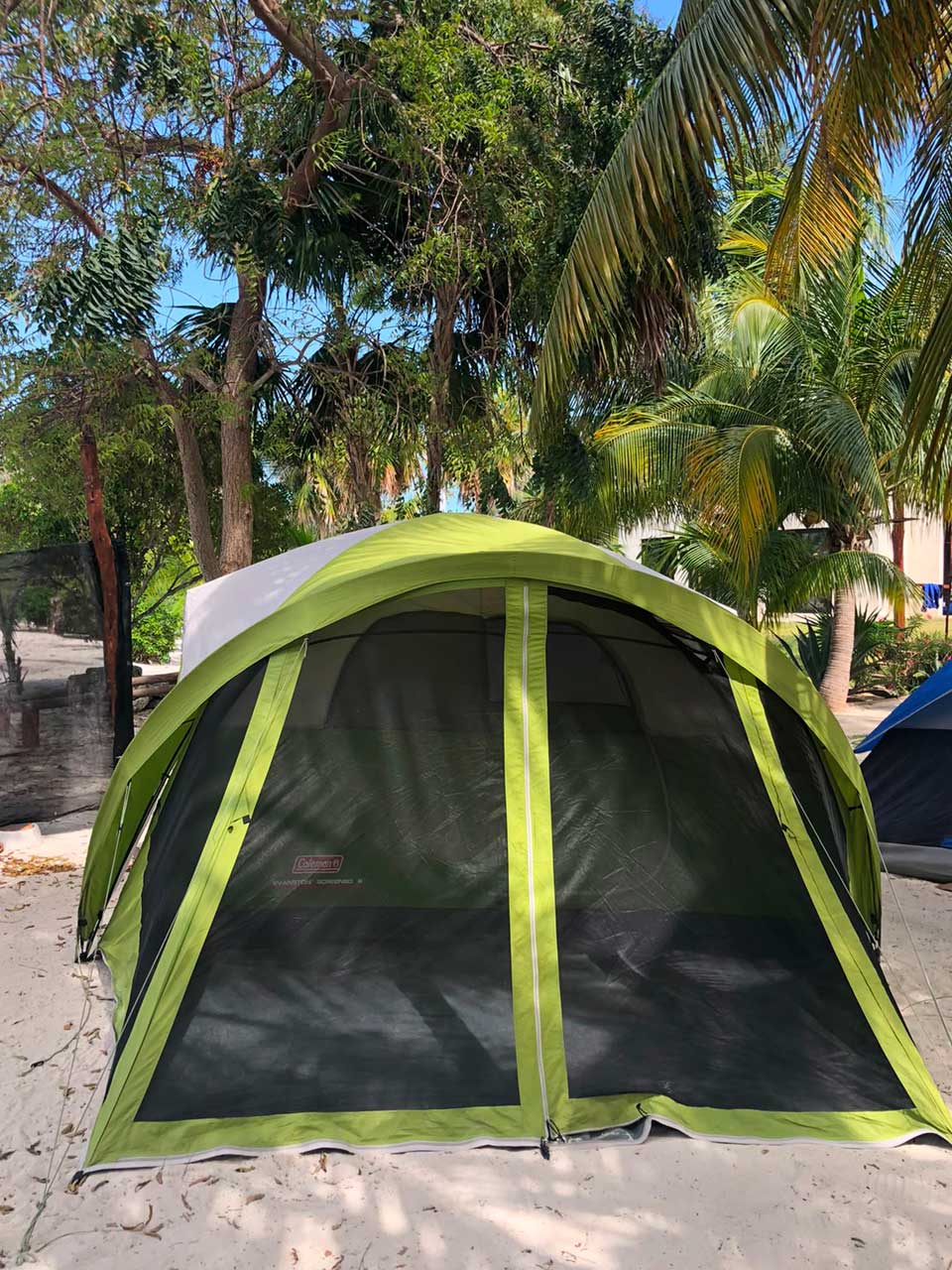
At Kiteboard México, located in Isla Blanca near Cancún, you can enjoy a unique kiteboarding environment surrounded by nature, warm Caribbean waters, and excellent opportunities to develop your skills.
Whether you’re visiting for a few days or planning a longer kiteboarding escape, make every session count.
Ready to improve your riding?
Discover the possibilities at Kiteboard México and plan your next kitesurfing experience in Isla Blanca, Mexico.
Your next level starts with your next session.
 Wind Conditions in Isla Blanca (Yearly Overview)
 Typical wind range:
 Wind direction:
 These conditions make it ideal for both learn kitesurf Mexico programs and advanced progression.
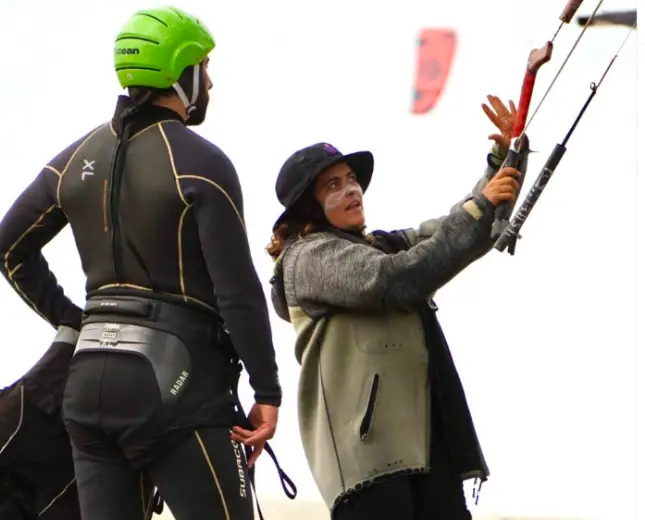
 Take lessons with certified instructors