
Por qué los principiantes sienten que es arriesgado (y por qué eso es normal)
A primera vista, el kitesurf parece extremo:
- Estás controlando una cometa en el cielo.
- Estás siendo impulsado por el viento.
- Te estás moviendo sobre el agua.
Esa combinación puede parecer intimidante, especialmente antes de tu primera clase.
Pero aquí está la realidad:
* La mayoría de los “momentos aterradores” ocurren en tierra o en malas condiciones., no mientras navegas tranquilamente sobre el agua.
* Con una instrucción adecuada, los principiantes comienzan en entornos controlados y de bajo riesgo diseñados específicamente para aprender.
Lo que realmente hace que el kitesurf sea seguro (o inseguro)
La seguridad en el kitesurf no depende de la suerte, sino de el control y la previsibilidad..
Estos son los factores clave:
1. El entorno de aprendizaje adecuado
Los principiantes necesitan:
- Espacio amplio y abierto
- Sin obstáculos (árboles, rocas, edificios)
- Agua poco profunda y plana
Más espacio = más tiempo para reaccionar = menor riesgo.
Por eso lugares como Isla Blanca son ideales: naturalmente crean un zona de aprendizaje “permisiva”..
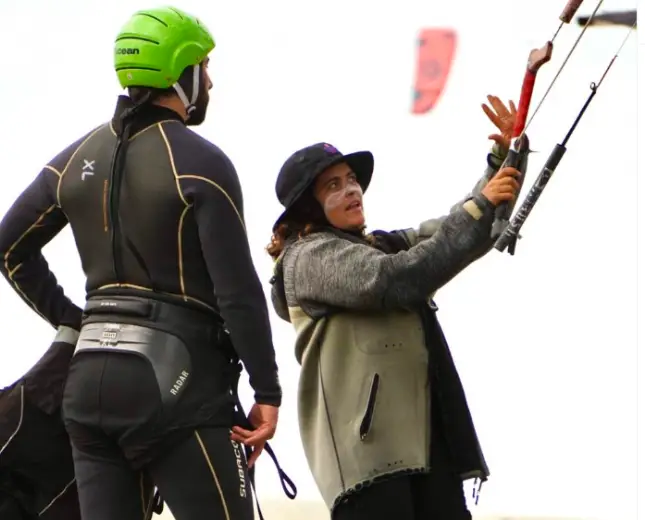
2. Instrucción adecuada (esto no es negociable)
Intentar aprender solo es uno de los mayores factores de riesgo.
Las clases profesionales te enseñan:
- Cómo controlar la cometa de forma segura
- Cómo usar los sistemas de seguridad
- Cómo reaccionar en situaciones inesperadas
Sin esa base, incluso los errores pequeños pueden escalar rápidamente.
3. Entender el viento
El viento lo es todo en el kitesurf.
Para los principiantes, las condiciones más seguras son:
- Viento constante (sin ráfagas)
- Alrededor de 12–25 nudos
- Dirección side-shore (paralela a la playa)
Los vientos inestables o fuertes hacen que la cometa sea más difícil de controlar, y ahí es donde comienzan la mayoría de los problemas.
4. El equipo adecuado
Modern kitesurf gear is designed with safety in mind.
El equipo esencial incluye:
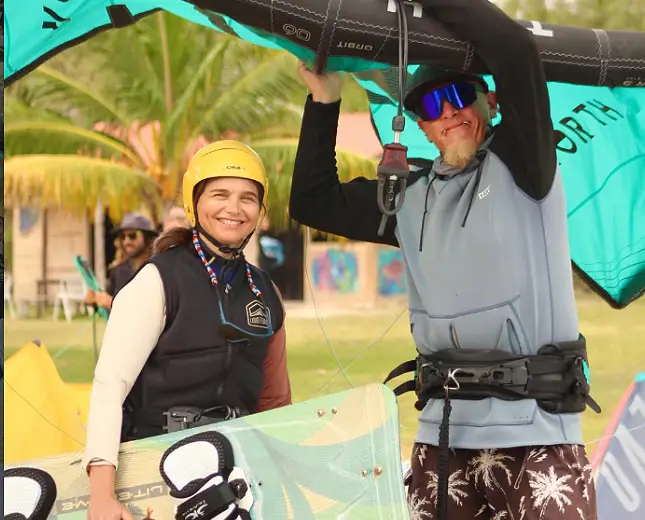
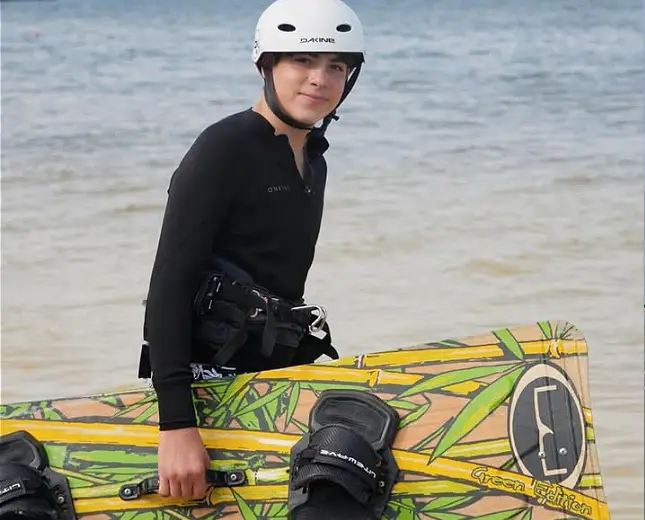
- Casco
- Chaleco de impacto (para flotación y protección)
- Leash de seguridad y sistemas de liberación rápida
Estos sistemas te permiten despotenciar la cometa al instante si es necesario.
5. Tu mentalidad y estado físico
Esto a menudo se subestima.
El riesgo aumenta cuando estás:
- Cansado
- Frustrado
- Con prisa
- Excesivamente confiado
Los buenos riders saben cuándo parar. Terminar una sesión antes no es un fracaso, es un progreso inteligente.
Los errores más comunes de los principiantes (y cómo evitarlos)
La mayoría de los incidentes provienen de unas pocas situaciones predecibles:
- Salir en condiciones por encima de tu nivel
- Navegar demasiado cerca de obstáculos
- Saltarse las revisiones del equipo
- Intentar progresar demasiado rápido
- No tomar clases
¿La buena noticia?
 Cada uno de estos es evitable.
¿Qué tan seguro es el kitesurf en comparación con otros deportes?
Estadísticamente, el kitesurf suele ser más seguro de lo que la gente piensa.
- Las tasas de lesiones son relativamente bajas en comparación con muchos deportes comunes.
- Los mayores riesgos provienen de malas decisiones, no de la actividad en sí.
En términos simples:
Una vez que aprendes correctamente, el kitesurf se vuelve tan seguro como tú lo hagas.
Por qué los principiantes pueden aprender de forma segura (y rápida)
Cuando se enseña correctamente, el kitesurf sigue una progresión estructurada:
- Control de la cometa (en tierra o en agua poco profunda)
- Body drag (aprender a moverse con seguridad sin la tabla)
- Salidas con la tabla
- Navegación controlada
No te lanzan a lo profundo — construyes habilidades paso a paso.
Reflexión final: ¿deben preocuparse los principiantes?
No realmente — pero debes ser respetuoso con el deporte.
Kitesurfing isn’t dangerous in a chaotic way.
Es un deporte en el que:
- Buenas condiciones + buena instrucción = experiencia segura
- Malas decisiones + malas condiciones = problemas
Eso es todo.
La conclusión
Si estás pensando en aprender kitesurf:
 Toma clases con instructores certificados. Elige un lugar apto para principiantes. Aprende con las condiciones de viento adecuadas. Progresa paso a paso.
Haz eso, y descubrirás algo sorprendente:
El kitesurf no solo es seguro, sino que es una de las experiencias más gratificantes y adictivas que puedes tener en el agua.